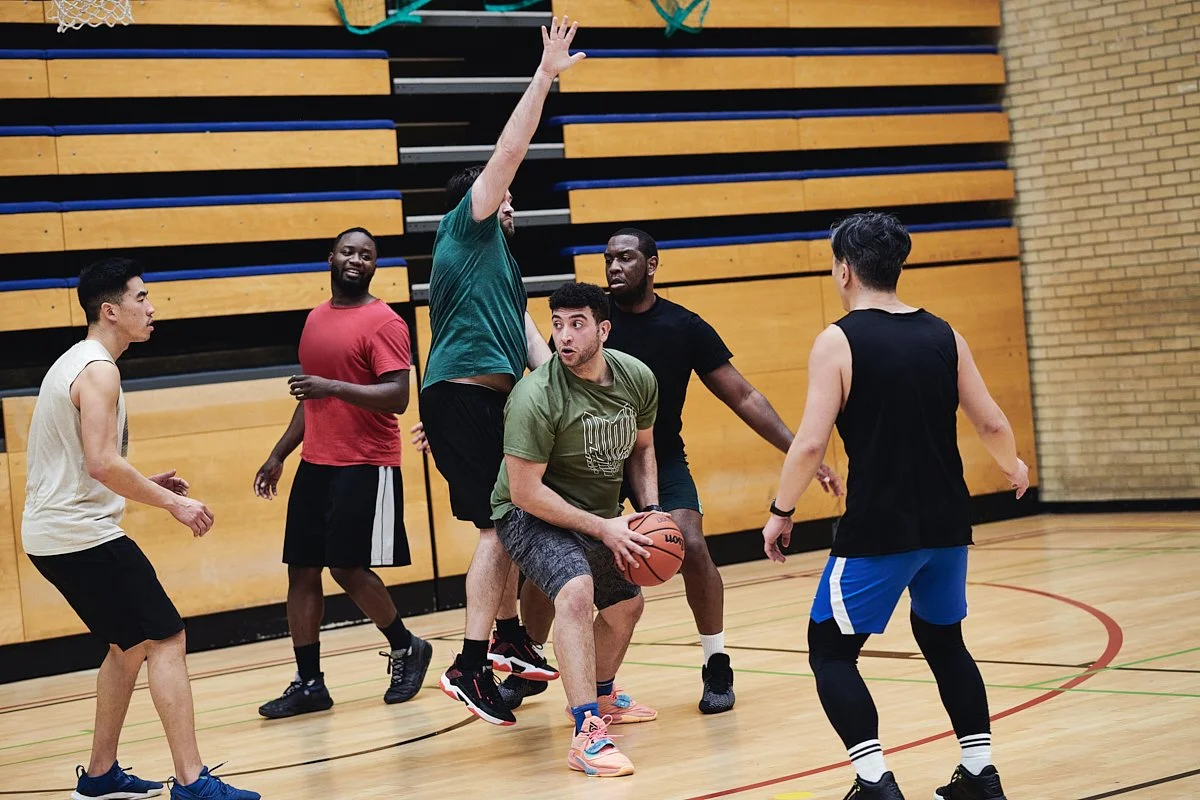
Spend enough time around the game of basketball and you’ll eventually meet someone that struggles with back pain. Maybe you’re a basketball player who has experienced back pain yourself.
As a basketball coach, advanced personal trainer, sports specific fitness coach, and specialist in exercise for managing lower back pain, I’d like to talk to you today about things that commonly cause back pain in basketball players, so that you can work on reducing or eliminating those risk factors.
Risk Factor 1: Too much spinal flexion when dribbling the basketball and playing defense.
Spinal flexion is when you bend your spine. When getting low to execute a low dribble when tightly defended, I often see basketball players flexing their back to get low to the ground.
I also often see a similar posture when defenders are assuming a low position so they can move quickly on defense.
This is a problem because repeated spinal flexion weakens the spinal discs and can eventually lead to disc bulges or herniated discs. Everyone has an individual tolerance to how much spinal flexion their body can cope with before issues start to occur, but make no mistake, if you’re repeatedly flexing your spine, you’re weakening those fibers in your spinal discs, and setting yourself up for potential pain and injury.
The Takeaway: Your spine should be a stable column. When getting into a low dribbling position or low defensive position, the bend should come from your knees and hips, not your back. Learn to keep your spine stable, and move from your hips so you can spare your back.
Risk Factor 2: Training “abs” instead of training core.
We’ve already established that repeated spinal flexion can cause back pain. If you’re a dedicated basketball player, you’re probably putting as much work into your body as you are your game. You probably make sure you’re in the gym/weight room twice a week.
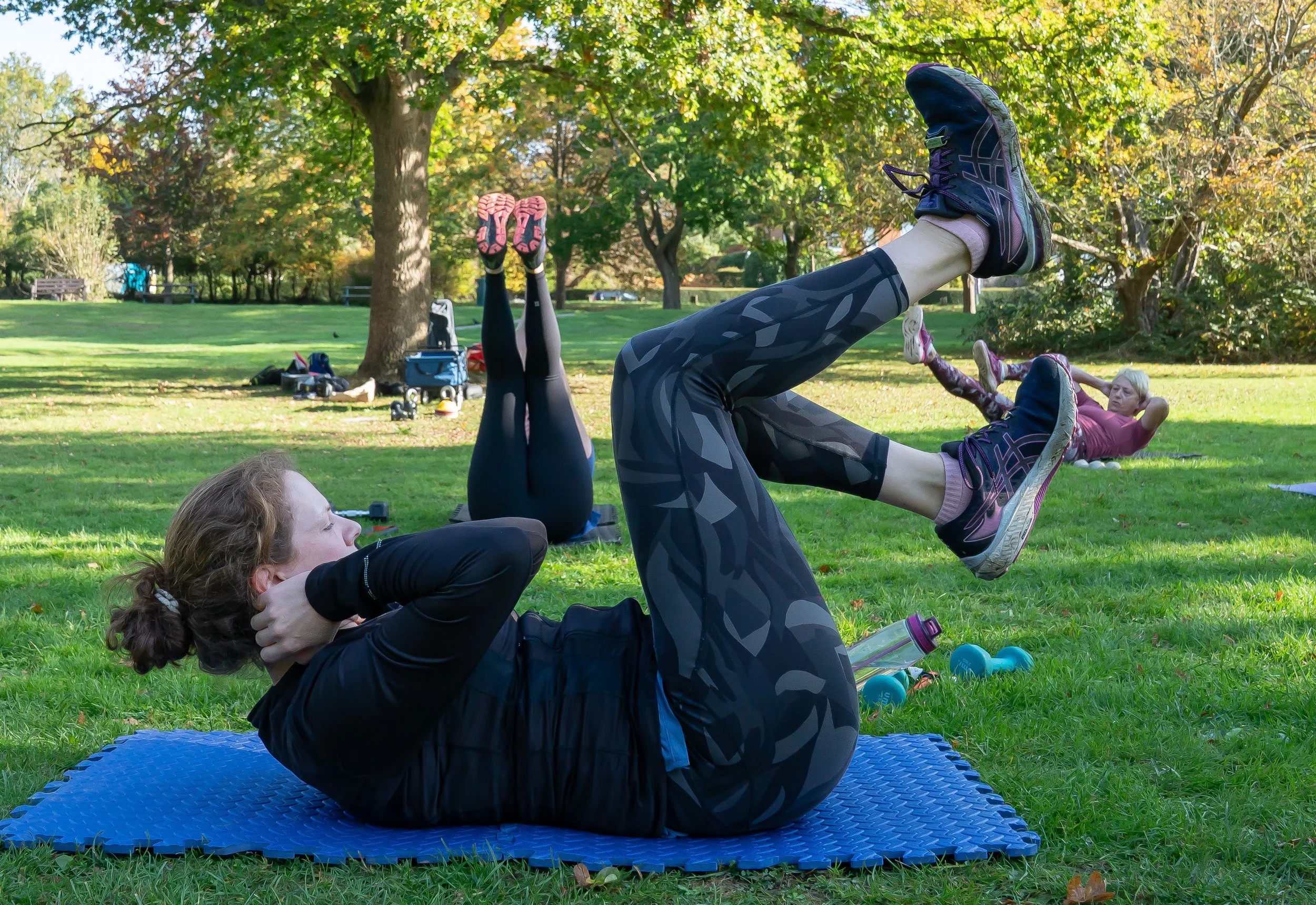
You probably know the importance of core training to help your body transfer power from the lower body to the upper body, help you stay on balance, and keep your spine stable. So you’re probably training your abs every workout with sit ups, crunches, reverse crunches and possibly a whole load more of abs exercises.
Guess what? All of these exercises are spinal flexion exercises. Each time you do them, you’re weaking those fibers at the back of your spinal discs, making yourself more prone to back pain and injury. Add this to the postural habits you may have when you play, and that’s a whole load of flexion stress your body is going through.
Sit ups, crunches, and any other spinal flexion exercises you do for your abs aren’t training your core to do what it should do when you’re on the court, and they’re making your spine weaker. Another movement has been associated with back pain too, and that’s repeated twisting. So you might want to skip those med ball twists and wood chops too.
Your core is more than just your “six pack” muscles. The core comprises of all of the muscles that attach to the spine and pelvis. When I work with my clients, I personally assess them, and take them through a four stage process of ensuring the deepest muscles closest to the spine are well trained and doing their jobs properly before we move on to working the muscles that are closer to the surface.
The Takeaway: As a basketball player, you should be training core stability, but training abs isn’t the same as training core. Let go of exercises and movements that weaken your spine, and swap them for exercises that stabilise it.
Risk Factor 3: Training with exercises that are stressful for your back.
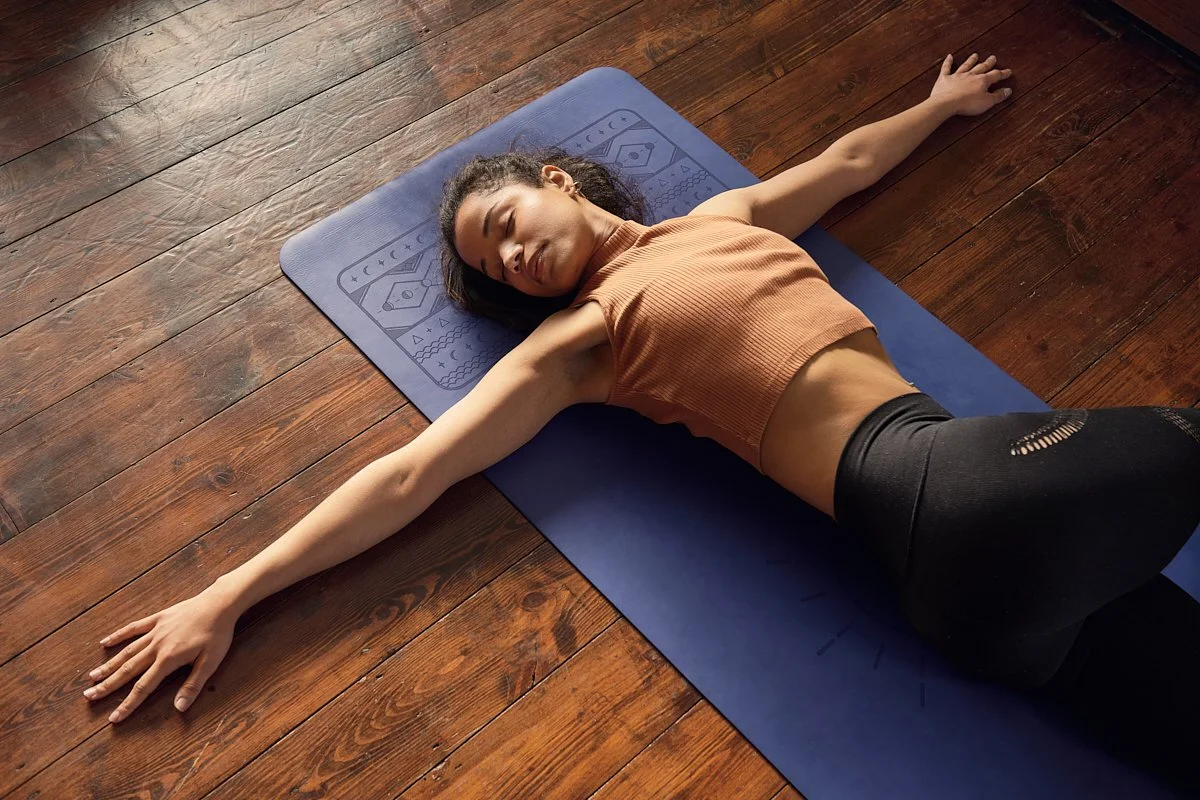
When you think of exercises that might be stressful for your back, you might be thinking of heavy weights or high impact exercises. But you don’t need big impacts or weights to stress your back. Small stresses repeated often can be just as detrimental. For example, modern research has shown us that stretches such as pulling the knees to the chest can stress the spinal discs, and those that rotate the lower body to one side while the upper body is held in place are risky for the lower back due to the risk of rotation in the lumbar spine. These stretches are done by lots of people, athletes included, and they may not know that they could be problematic for their back.
A good exercise can also be turned into a bad one if it’s not the right exercise for you at the right time. Players who are navigating their own training programmes for example might be tempted to do deadlifts in their workouts before they’ve properly trained their glutes and hamstrings how to hinge and extend the hips correctly. Jumping into an exercise like a deadlift without being able to hinge at the hips correctly may mean the athlete rounds the back during the lift, adding more stress to the exercise than it should.
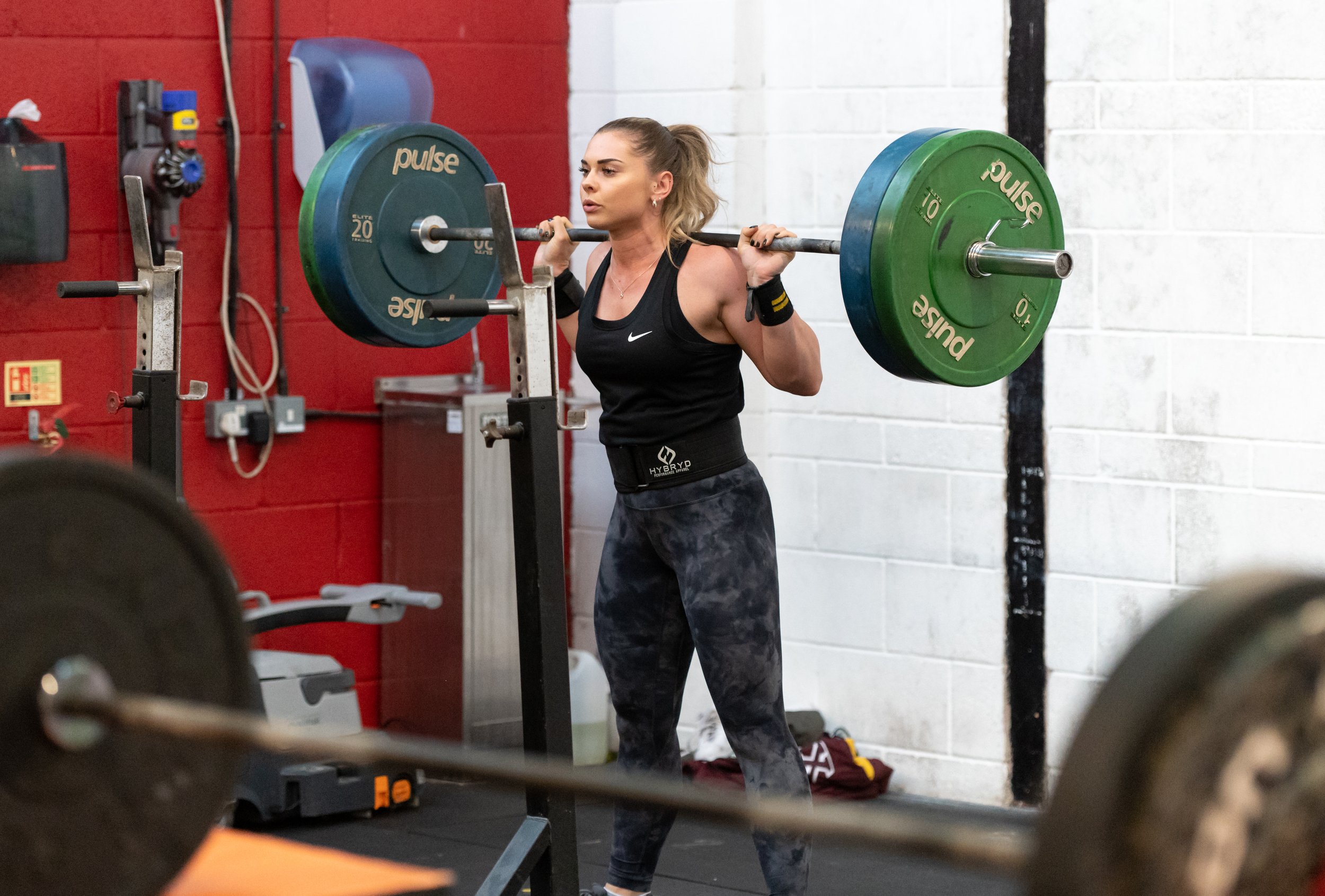
Lastly, what’s popular isn’t always what’s best for the individual. Barbell back squats for example are a very popular exercise for basketball players, but when the bar is across the shoulders it can cause compression in the spine, and the actual forces going through the lower back are higher than the weight on the bar. The stressful elements of barbell squatting for the back are magnified for people with long upper bodies and limbs, such as many of the people who tend to participate in basketball.
The Takeaway: Many commonly performed exercises can be stressful for the lower back. Be willing to do different things to get better results from your training and reduce the stress on your back, and make sure the exercises you’re doing are the right ones for you, at the right time for your development.
Risk Factor 4: What you do with your posture when you’re not on the court.
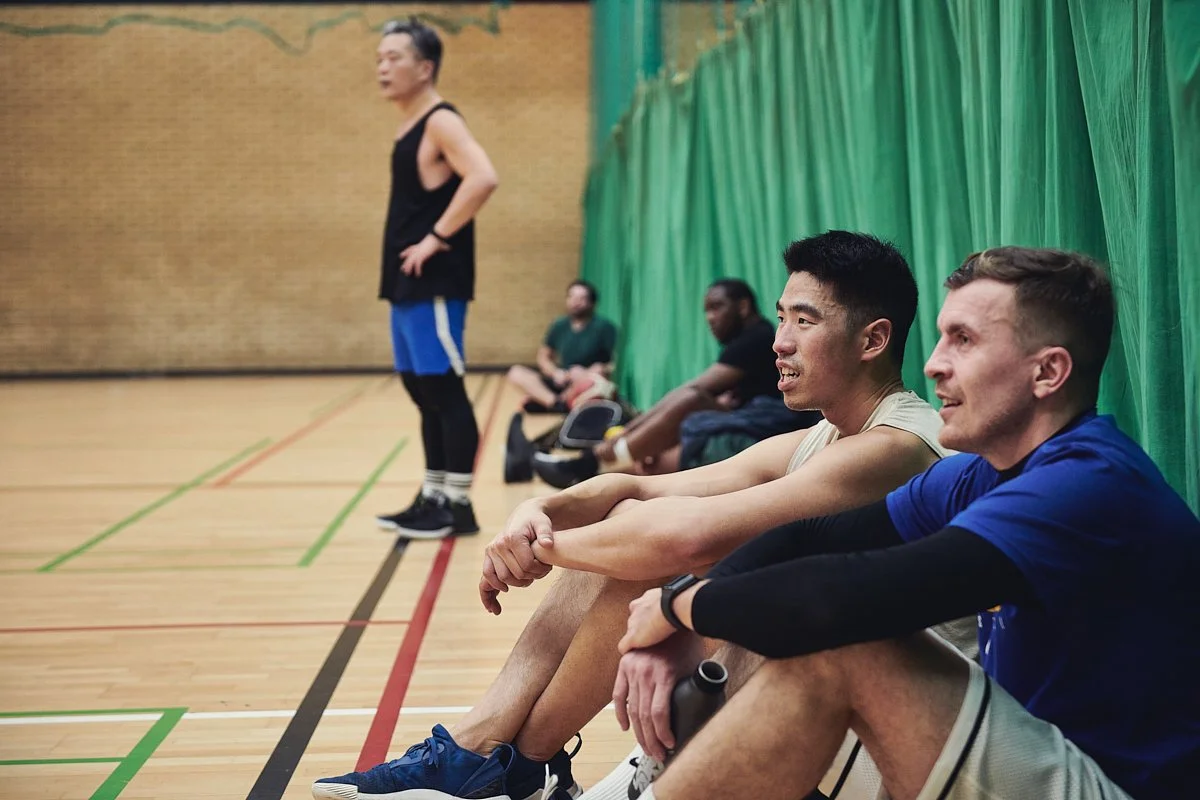
Next time you’re at a basketball game, take a look at how the players on the bench are sitting. Notice how many of them sit with rounded backs, rather than sitting up tall, keeping their spines like a stable column.
Slouching when sitting creates more spinal flexion, and it all adds up.
Now, think about how you sit when you’re completely away from the basketball court. Are you slouching in chairs? Can you feel your lower back flattening into the chair rather than holding its arch? What are your hobbies when you’re off the court? Do you enjoy a bit of online gaming? Do you know what is your posture doing when you’re doing that?
What about when you’re standing? Do you stand tall with your shoulders back? If you’re tall, do you often find yourself bending from the spine to keep eye contact with others who aren’t as tall as you?
When working with my clients, I perform postural assessments for them to see what their posture is doing and how this might affect their risk of back pain. I identify what muscles are tight and affecting their low back posture as well as supporting them with creating healthy postural habits off and on the court, so they can reduce the stress on their backs.
The Takeaway: Back care is a 24/7 job for all humans. There might be risk factors you have due to things you’re doing on the court and in your training, but it’s also important to remember that your posture all throughout the day in all the things that you do affects your back pain and injury risk, so it’s important to learn to care for your back all day long.
Conclusion:
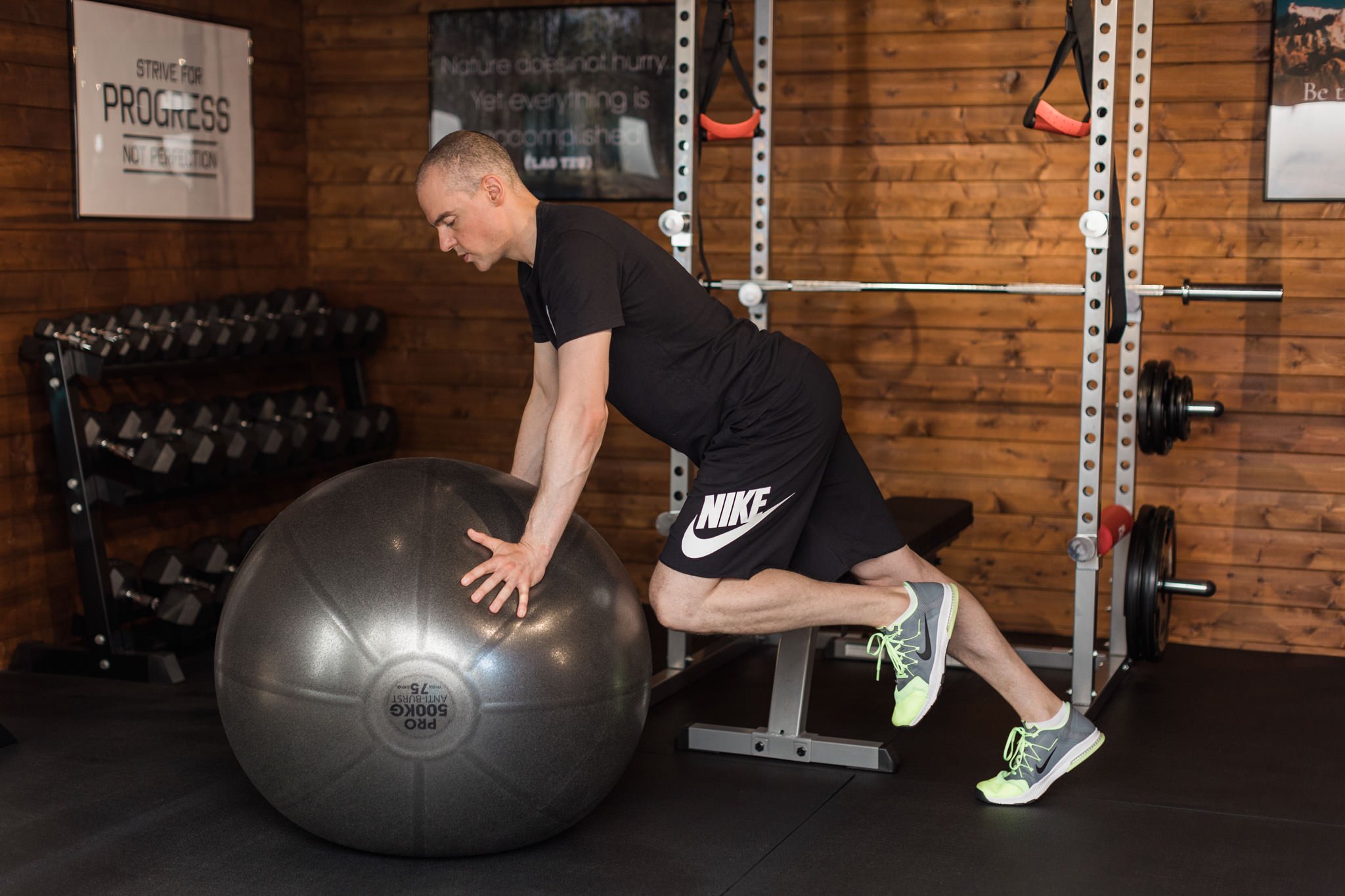
By eliminating injury mechanisms from your training and daily posture, and swapping them for better habits and exercises which support the back, you can become more resilient, reduce pain levels and enjoy your time on court even more. I hope this article has helped you understand some of the things that can cause pack pain for basketball players and the things that it is within your power to stop doing or change to better habits to stabilise support, and reduce stress on your back.
I work with people in all locations, as long as you have an internet connection and a solid work ethic, I can help you. If you’re a basketball player who would like to improve their back health and want to find out more about working with me, please feel welcome to reach out. A 60 minute initial consultation with me is completely free.
About the Author:
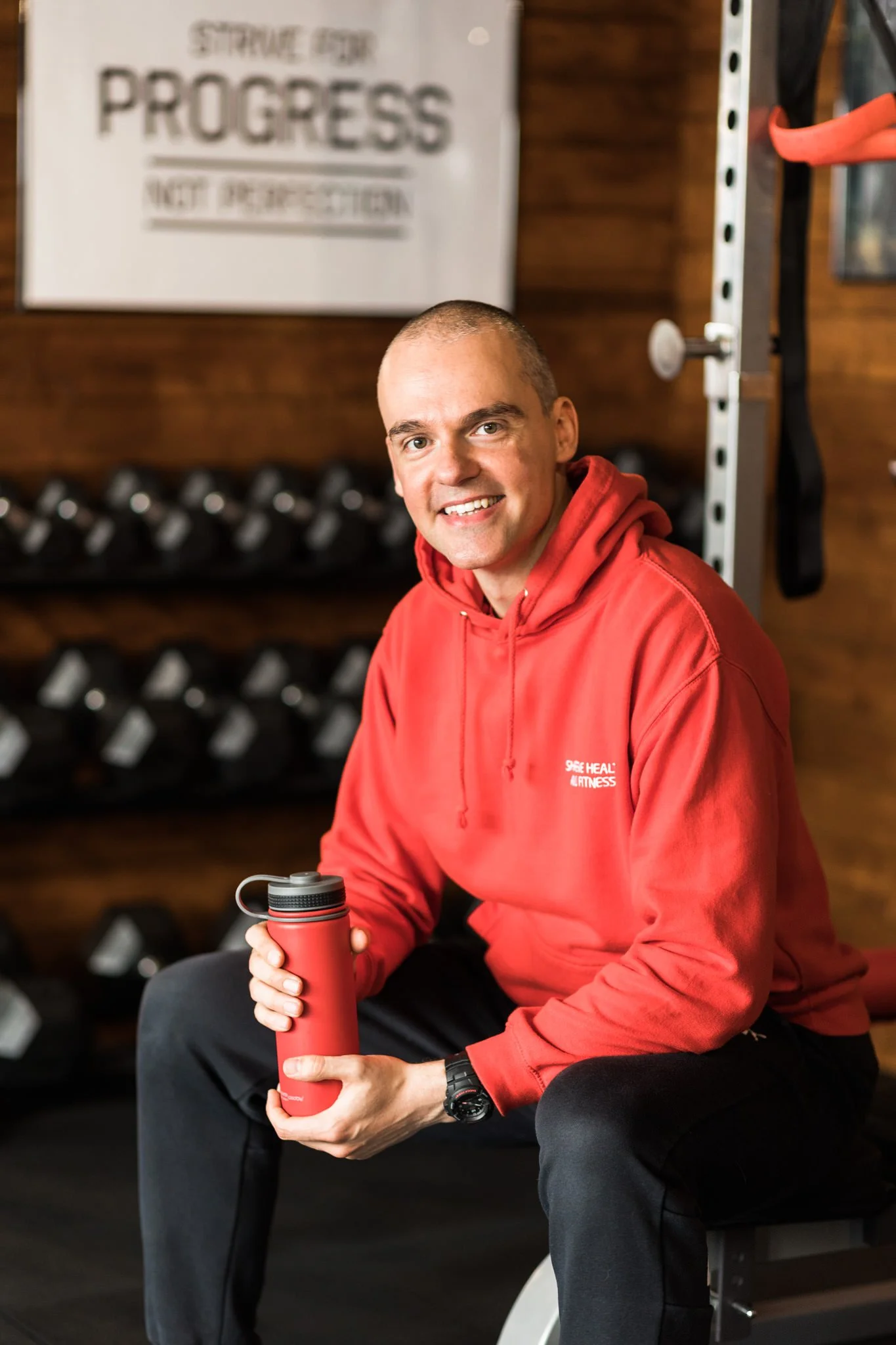
Steve Shreeve is a Level 4 Advanced Personal Trainer, Level 4 Specialist in Exercise for Management of Lower Back Pain, Level 2 Basketball Coach, and Sports Specific Fitness Coach with more than 26 years of basketball and fitness coaching experience. Steve uses his Virtual Fitness Coaching Service to help people get fit at times and locations that suit them.
