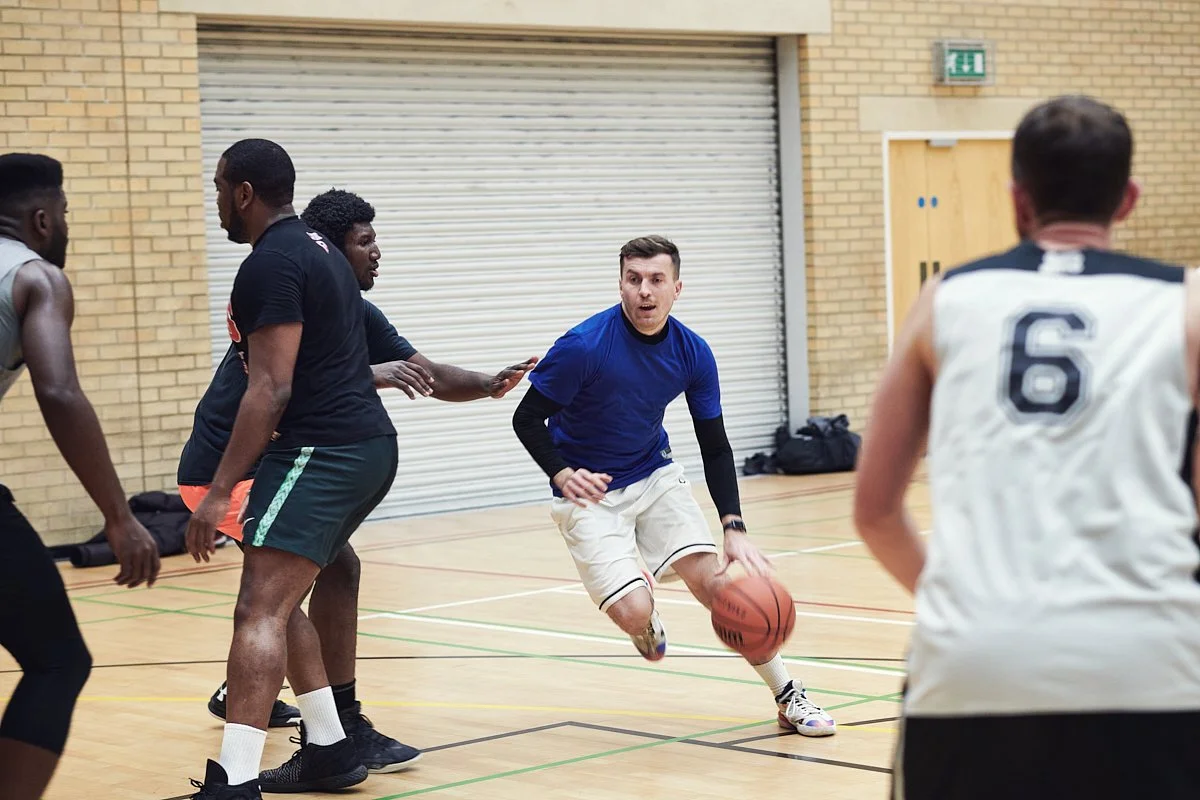
In this article, I’m going to explore the top 5 warm up mistakes for basketball. I’m sure we all agree that warming up for basketball is important, but there are some things to avoid or be aware of to help athletes have a better chance of resisting injury and having a long and healthy playing career.
Mistake 1: Using fast break drills as warm ups.
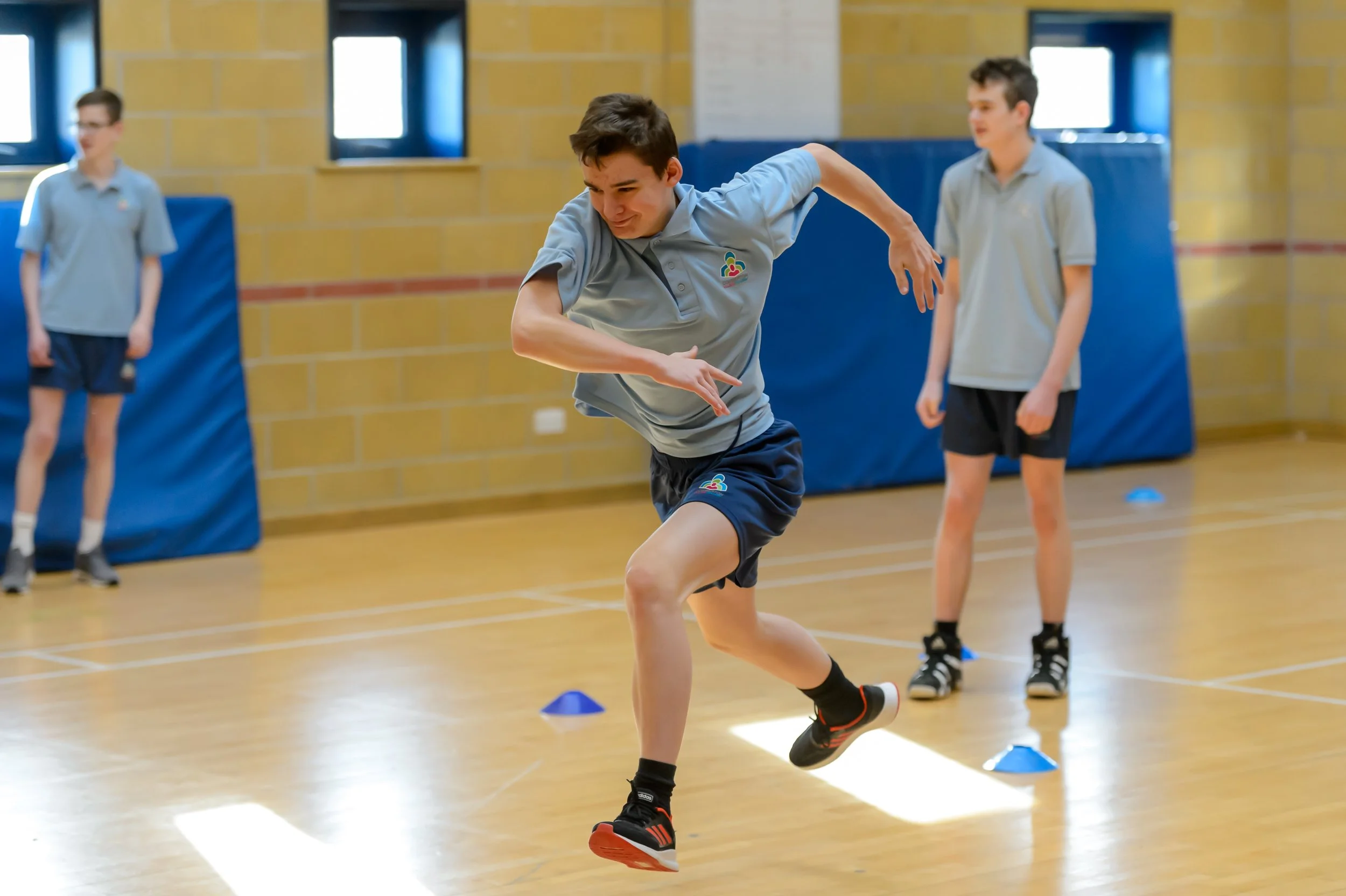
Fast break drills are not warm ups. If your players start a session with running, sprinting and changing direction before they’ve done anything to raise their core body temperature and take their muscles through a full active range of motion beforehand then they could be more prone to muscle strains.
Additionally, part of the purpose of a warm up is to allow the joints time to lubricate so they can better absorb impact. If players are sprinting, jumping and changing direction for their warm up, even if they don’t experience any muscle strains during that activity, their joints won’t have had enough time to lubricate and won’t be absorbing impact as well as they should. For both the short term and long term health of the athlete’s body, categorise fast break drills as a training activity rather than a warm up activity, and perform a purposeful, gradual and specific warm up before running drills.
Mistake 2: Running, hopping, and jumping too early in the warm up:
I previously mentioned that part of the purpose of a warm up is to allow the joints time to lubricate. What happens here is that over time the joints produce more fluid (called synovial fluid). The cartilage at the end of the bones absorbs this fluid and plumps up, which better enables it to absorb impact. When going from a resting state to an active state, this process takes about three minutes.
Even when doing dynamic warm up activities rather than fast break drills, running, hopping, and jumping too early in the warm up could mean that the joints are less able to absorb the impact of these movements, so it’s best to keep movements low impact in the first three minutes of the warm up. Then as you progress the warm up, the body will be better able to absorb impact.
Mistake 3: Not doing any dynamic stretches as part of the warm up.
If a session is started with an active warm up and then followed by static stretches (stretches where you hold the muscles in a fixed position), the body cools down again while these stretches are being held.
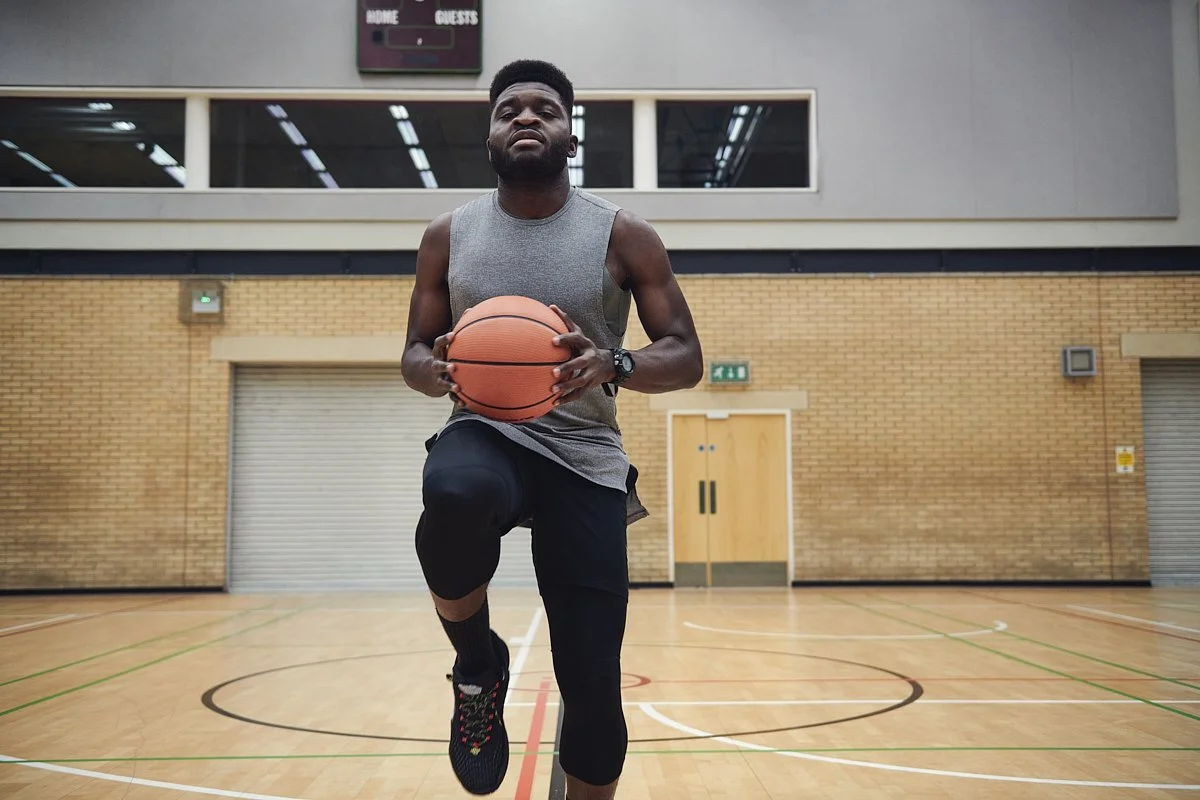
Dynamic stretches were created to help take the muscles through an active range of motion to help prepare the body for the movements that follow without any potential losses in muscle power.
The great thing about dynamic stretches is that they’re active stretches, so they raise the body’s temperature even as the muscles are being lengthened.
If an athlete has travelled to a training session, they may have been sat on a bus or car seat with the hamstring and hip flexor muscles shortened. Maybe they were at school or work beforehand and their chest muscles have tightened from being sat at a desk writing or typing. An athlete will move more easily during practice if some time is taken to actively stretch their muscles prior to more vigorous physical activity, and they’ll be less prone to muscle strains if they do dynamic stretches prior to vigorous activity.
However, it’s important to know how to teach dynamic stretches correctly and safely-for more on this see the concluding thoughts below.
For more information about dynamic stretching, click the following link to this podcast episode: The Dynamics of Stretching
Mistake number 4: Putting lunges into the warm up for athletes who are not ready for them.
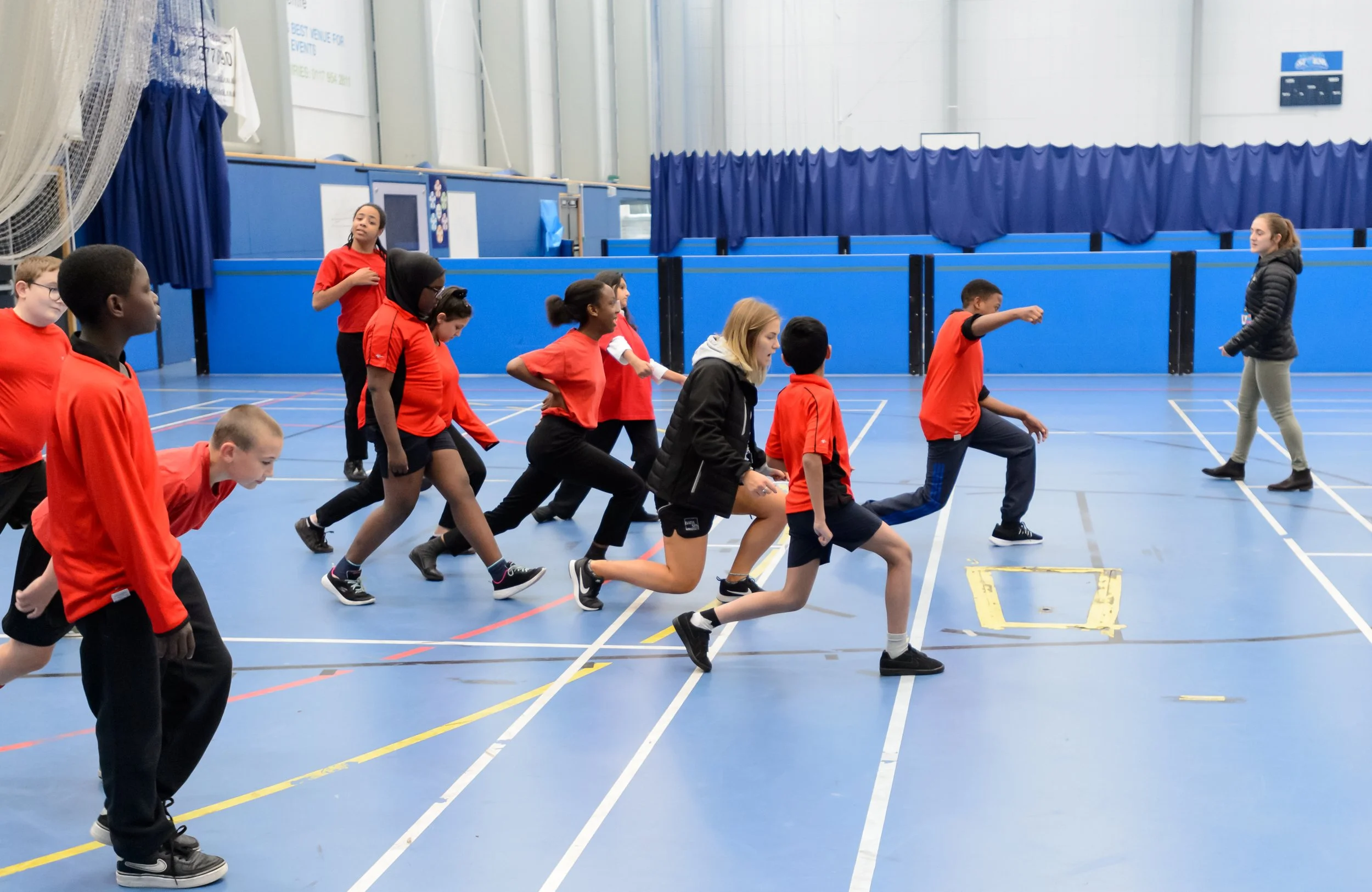
Lunges are a common and well known exercise, and they are a good dynamic stretch. As the athlete moves forward into the lunge, the hip flexors on the back leg are dynamically stretched, and muscles which have to stabilise the lower body joints are activated.
However, lunges are not an entry level exercise. In a purely fitness based scenario, my clients have to progress through a number of exercises before I’ll recommend that they do any forward lunging. When we lunge forward, our femur (thigh bone) moves forward towards the patella (kneecap). This is more stressful for the knee joint than moving straight down and straight up, or even stepping backward. So lunges will be more stressful for some people than others based on their individual strength levels.
Often many athletes, particularly young ones, don’t have enough strength in the stabilising muscles to stabilise their knee well when they lunge. The knee may drop inwards or shake from side to side when moving into the lunge. Because the knee is only designed for flexion and extension, all of this is very stressful for the knee.
It can be hard for a coach to watch every athlete in a team and see if they’re all stabilising their knees correctly all of the time when they lunge, and if they don’t have a professional fitness background, they may not know what they should be looking for. If you’re a basketball player and you use lunges in your own warm ups or workouts, do you know if you’re stabilising your knees correctly?
When warming up and training basketball players, it’s important not only to consider what they need on a particular training day or session, but also how the potential stresses of the things they’re put through will affect their long term joint health.
My advice-if you’re training young athletes and/or athletes who don’t have a strength training background, and/or if you’re not sure if you’d be able to tell if all of your players of any training age were stabilising their knees correctly while lunging, then don’t use lunges in your sessions.
Mistake number 5: Not involving the basketball in the warm up.
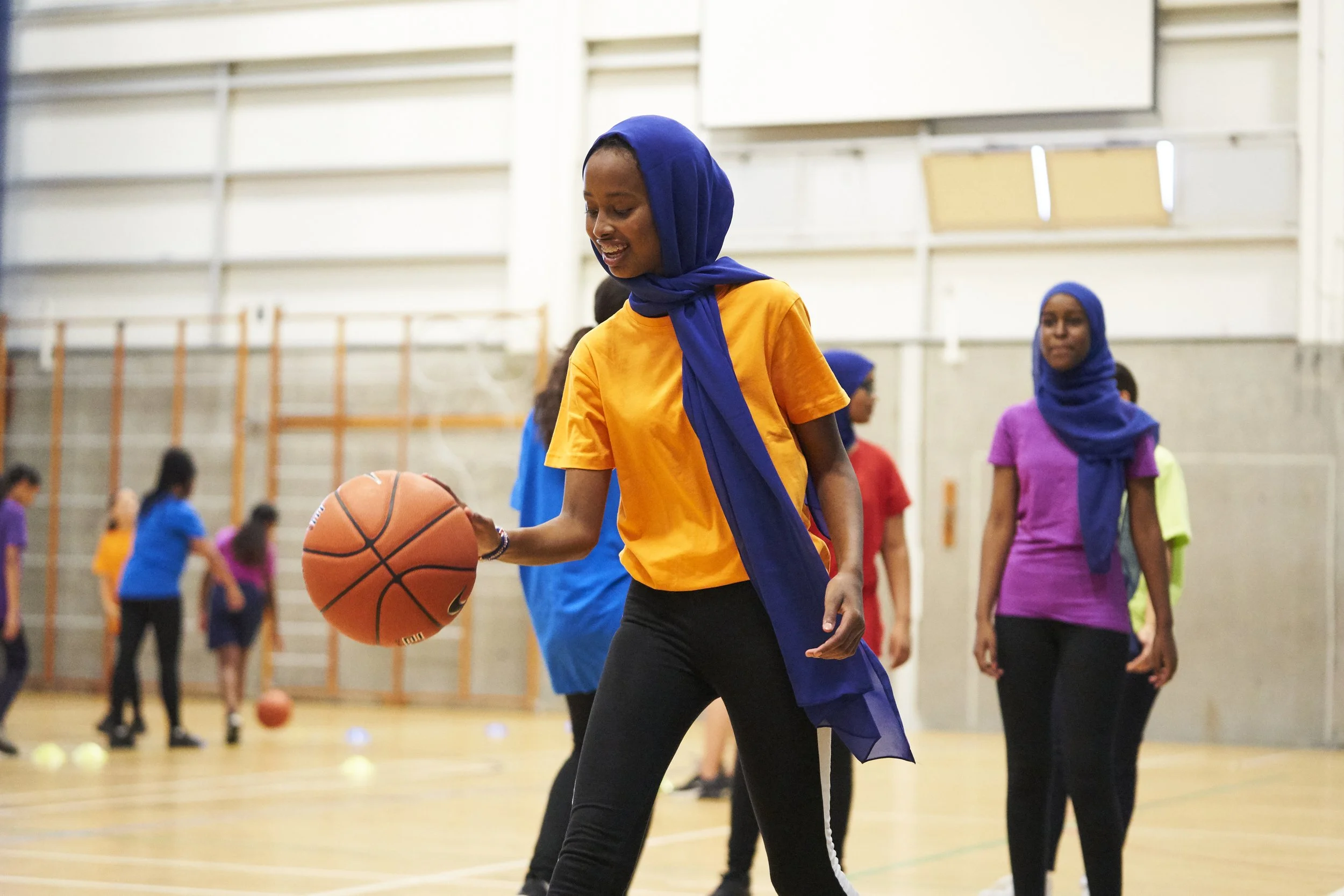
One of the objectives of a warm up activity is to prepare the body for the movements or activities that will follow, so as long as it’s appropriate for the abilities of the group or individual being trained and the space available, the basketball should be involved in the warm up, because it will be involved in the activities that follow.
So a good warm up could include some low intensity dynamic stretches across a certain distance of the basketball court, followed by picking up the basketball and doing some low intensity stationary or moving ball handling drills in or across another distance or area of the court.
The player(s) could then return the ball to where they picked it up from and do some more dynamic stretches on their return to their starting point, and so on.
Concluding thoughts:
Warming up is important, but how we warm up is just as important. When warming up, training, and cooling down players, consideration should be given to how stressful those activities are on the body, whether the activities are done at the correct intensity levels, whether the activities chosen are appropriate for the specific athlete(s) participating, and whether the activities are being performed with good technique.
Good warm up habits can contribute to extending the active careers of basketball players, so this is very important.
While I’ve said that mistake number 3 is to not do any dynamic stretches as part of a warm up, a potentially bigger mistake could be to use dynamic stretches without knowing how to teach or perform them properly. It’s important to know how to do dynamic stretches correctly and be able to teach them and correct form if necessary. If you don’t know how to teach or do dynamic stretches, don’t worry, you can still warm up your players (or yourself if you’re the player) without them. The most important thing to consider is that a warm up should start gently, and progress gradually.
Keep activities low impact and low intensity for the first three minutes to allow the joints time to lubricate, then you can gradually increase the intensity of the warm up.
About the author:
Steve Shreeve is a level 4 Advanced Personal Trainer, with specialisms in sports specific training, lower back health, and ante and postnatal fitness. Steve is also a qualified basketball coach with over 26 years’ experience teaching basketball to teams and individual players.
Steve’s fitness clients often say that his training makes them feel fitter than they have in decades and his clients include basketball players who want to improve their sports specific fitness for improved performance and reduced injury risk.
