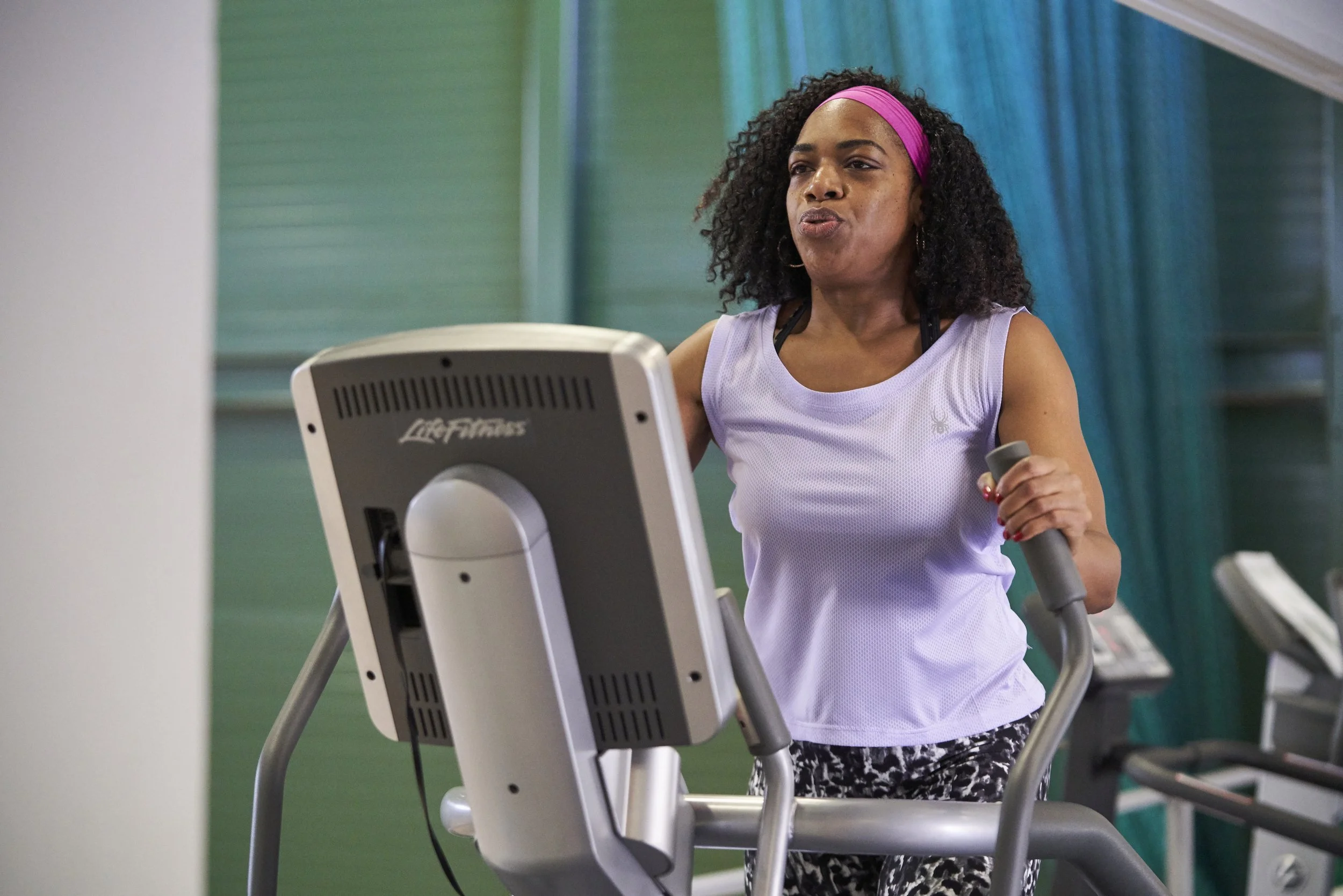
I was recently asked about women’s fitness and if certain things were myths. Here’s what I was asked, and my answers to each of the questions:
Does weight training make Women Bulk Up?
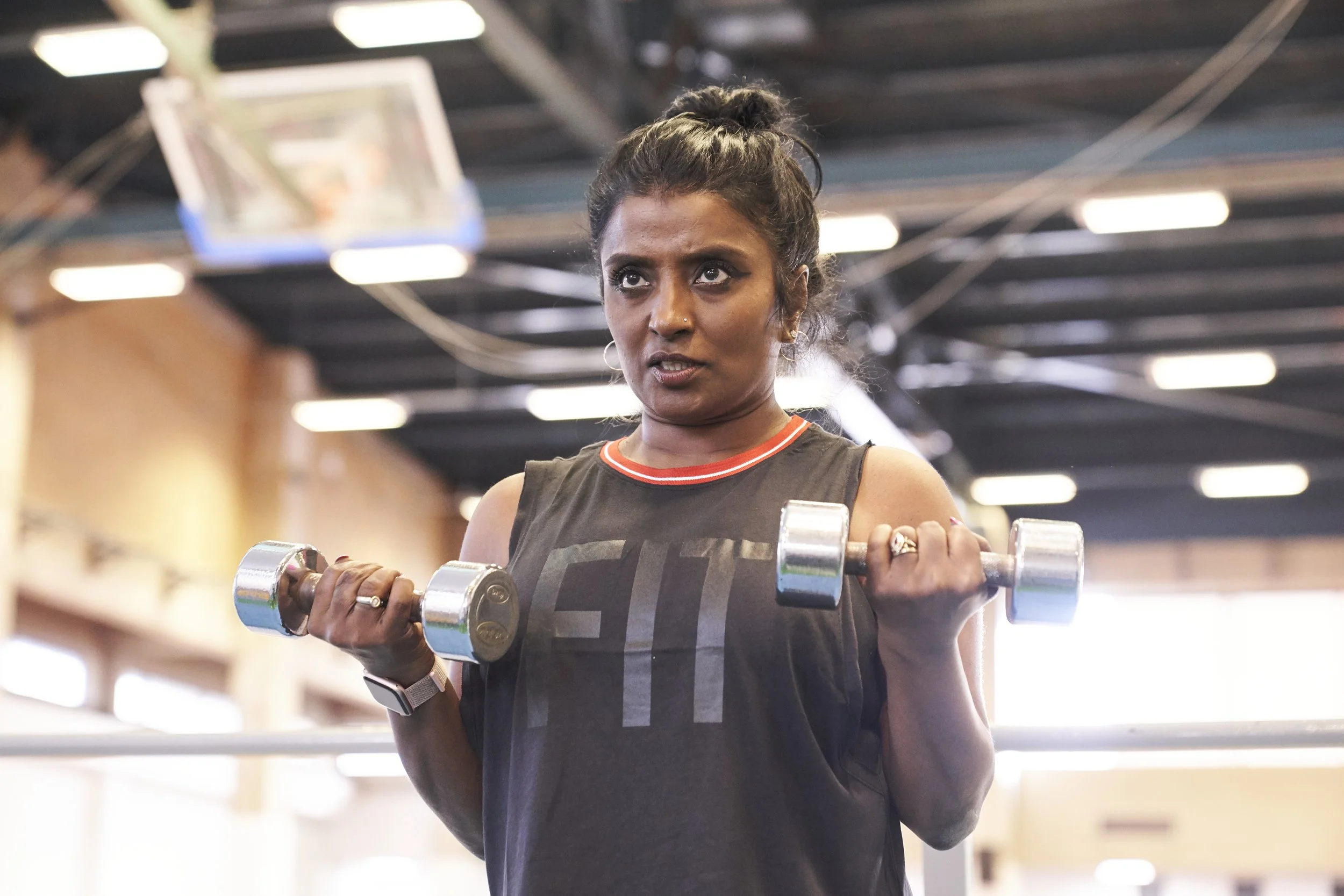
Many women fear that weight training will make them bulky. This is understandable, as many men who want to “bulk up” train with weights, and images of bodybuilders training with weights naturally create an association between weight training and bulky muscles.
But here’s why you shouldn’t fear bulking up:
-Testosterone is the main hormone which influences growing muscle bulk, and women have very little testosterone circulating around their bodies.
-Women are prone to having muscles which are higher in slow twitch muscle fibers, which are the ones that are less likely to bulk up.
-Bulking up is hard! People who are training specifically for muscle bulk are often training up to six days a week, two hours at a time and are often consuming six protein rich meals a day or supplementing with additional protein to provide the calories and building blocks necessary to bulk up.
Doing a couple of strength training sessions a week to improve your strength and bone density, reduce your risk of osteoporosis and diabetes and keep you fit for activities of daily living isn’t the same as bodybuilding. Just as a couple of runs per week won’t turn you into a marathon champion, a couple of strength training sessions each week, especially if you’re not following a bodybuilding program, won’t cause you to bulk up and look like a bodybuilder.
Is cardio the only fat burning option for women?
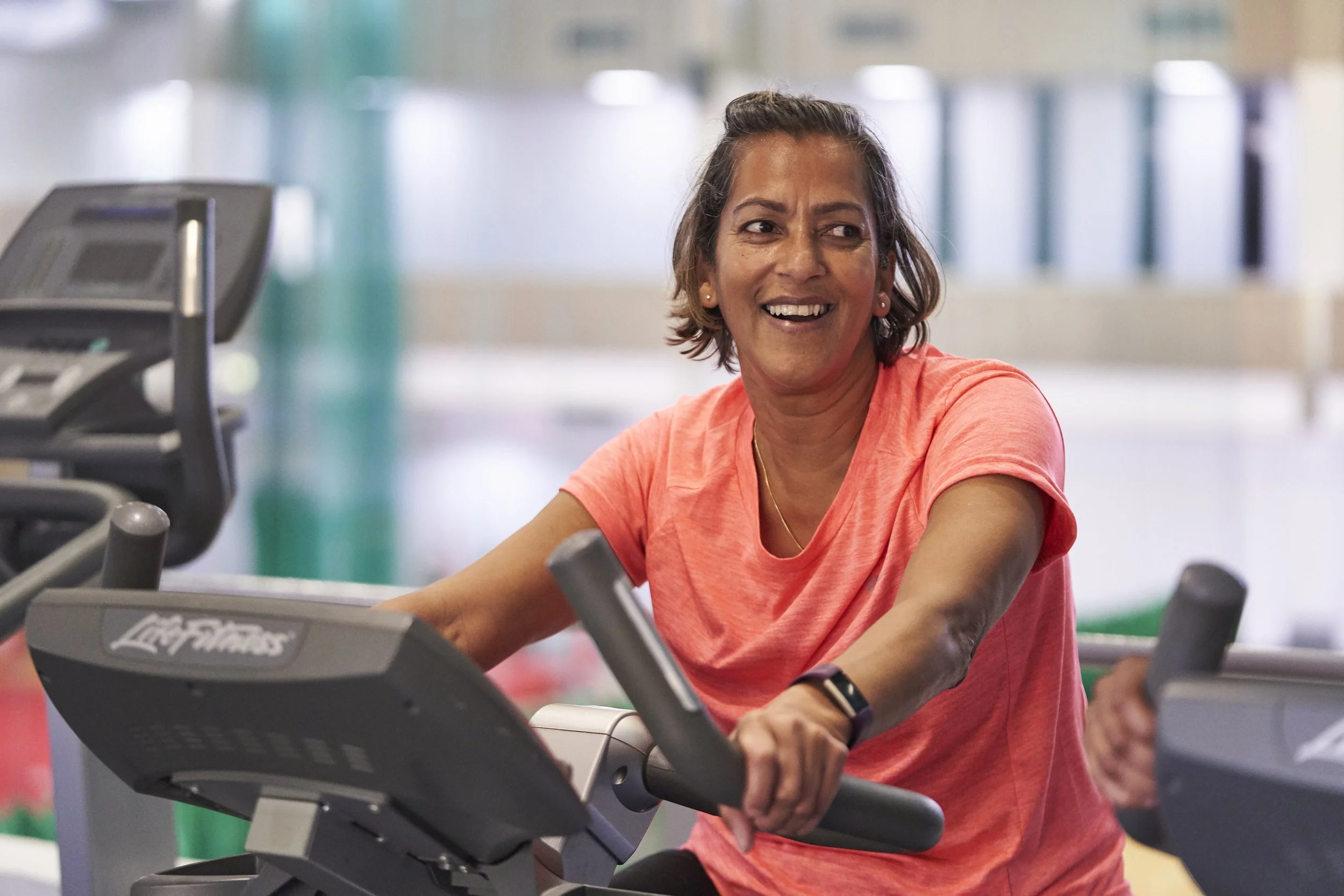
Cardio isn’t the only fat burning choice for women. Cardio burns calories, and your metabolism will be elevated for about an hour after that cardio session and then will soon settle down to it’s pre-workout level. However, after a well-designed full body strength training workout, your metabolism can be elevated for multiple days after the workout, meaning that your body is continuing to burn more calories for a longer time even after the workout is over. As with most things balance is key, both cardio and strength training have benefits so balancing a bit of both is usually the best path forward!
Is incline walking better than running for fat loss?
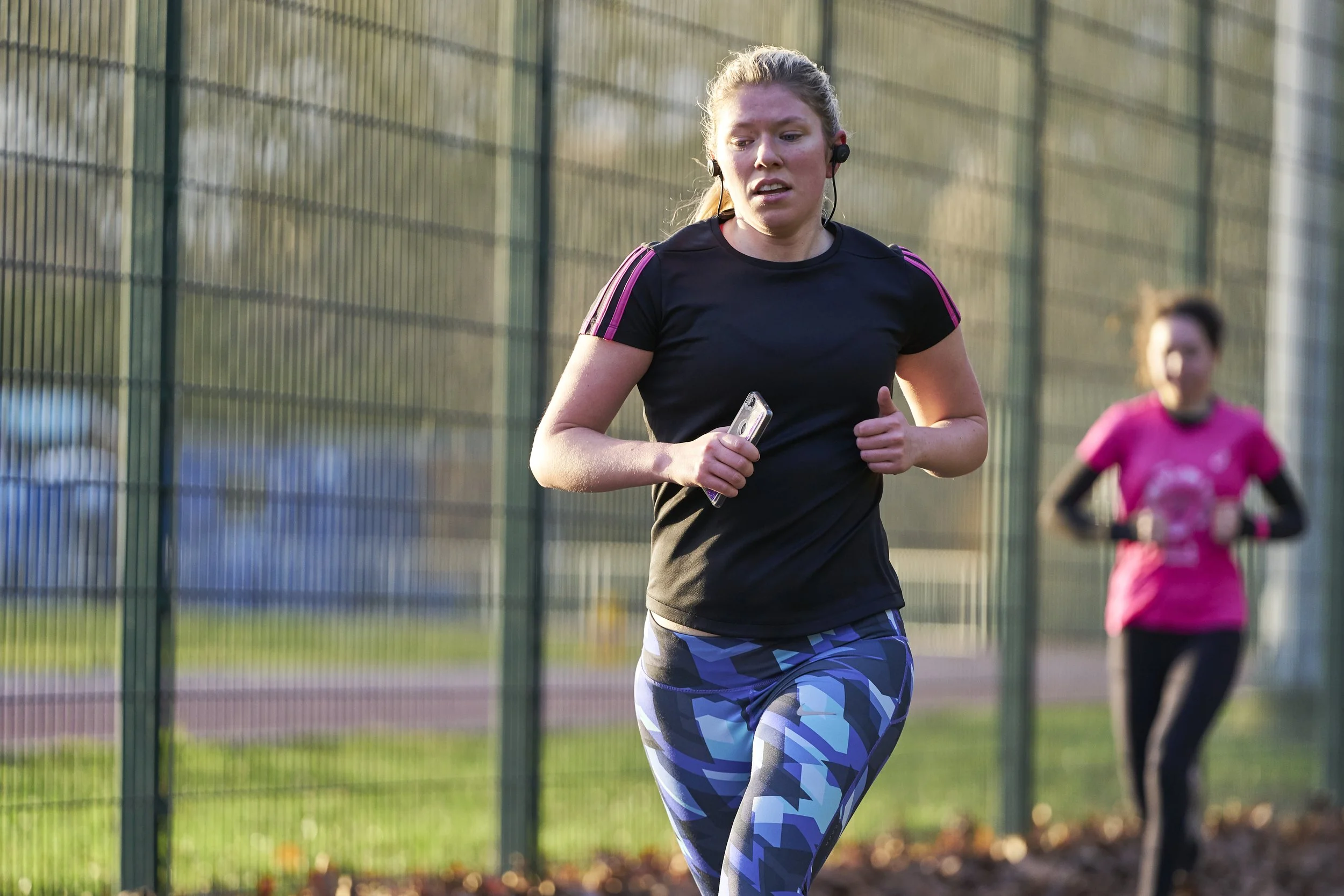
Something you need to know about cardio, is that each time you do it, your body responds by learning to become more efficient at that particular activity. This means over time as your body gets used to it, it doesn’t burn as many calories to do the same activity and amount of work. So when people switch from running to incline walking, they’re likely benefitting from the fact that they’re now doing something different that their body hasn’t gotten efficient at yet, which produces a new boost in results.
The principle of variety is well established in all forms of training, so it’s not surprising that people have seen benefits from switching up their cardio activity. The key is to strike the balance between doing something often enough that you can get better at it, while providing enough regular variety that the body doesn’t plateau-and remember to do things that you enjoy!
More important than “which is best” is “which is best for me”. The activity should be matched to the needs of the individual, taking into account their needs, goals, health history, and physical status.
Does working out like a man work for women?
Does a woman need to train differently from a man to gain strength, tone up, and burn fat? Not necessarily, there are certain training principles that are universal regardless of gender. But from experience and observation I can say that most workouts that the majority of men are doing aren’t the best for achieving these goals. Many men will train on bodybuilding-style workouts which split areas of the body across multiple workouts because their focus is on developing individual muscle groups. For a woman looking for a mix of strength, tone, and fat burning, a full body workout approach would be better suited to this goal, especially if like most people time is a luxury for them.
So rather than considering whether a woman should train like a man, instead ask: “what training approach will be best for my individual goals.”
Is weight training during pregnancy bad?
Weight training can be very beneficial during pregnancy. One of the hormones released during pregnancy can increase risk of developing joint pain due to it causing laxity of the tendons and ligaments. Strength training (it doesn’t have to be done with weights; resistance bands can be just as effective) helps to keep the muscles strong which enables joint support and helps mum-to-be to keep her strength and energy levels high as she adapts to the carrying the weight of her growing baby and reduce her risk of developing joint pain. As someone who is qualified and experienced in helping women keep fit during pregnancy, I can also say that the mental health benefits of training during pregnancy are just as important as the physical benefits to mum and baby.
Appropriate physical activity during pregnancy can potentially lead to a shorter and easier labour, but more importantly the strength and stamina developed through appropriate fitness activities can help mothers to cope better with labour even if it isn’t a short one.
However, while weight/strength/resistance training has massive benefits for pregnancy, a general weight training program isn’t sufficient for pregnancy training because changes that occur in the body as pregnancy progresses means that some exercises are not suitable during certain stages of pregnancy. The workouts should be adapted for each trimester, and it’s important to know which exercises are safe, and which should be avoided during pregnancy. So it’s vitally important to receive instruction from a professional who is certified in adapting exercise for ante and post-natal participants so that you can be sure that your training will provide you with maximum benefit and minimum risk. It’s also important to have experience with these types of workouts before undertaking them during pregnancy.
Is strength training harder for women over 50?
Strength training for women over 50 doesn’t have to be more difficult than for someone under 50. As long as the individual starts from where they are and builds up gradually over time, strength training can still be as comfortable (or as I like to say, comfortably uncomfortable!) as someone who is younger.
In fact, strength training is vital for women of all ages, and post-menopause women are more prone to developing brittle bones. This is where strength training shines, because it’s one of the best activities for building bone density, and unlike other activities which may only focus on the lower body, strength training can build bone density through the whole body.
About the author:
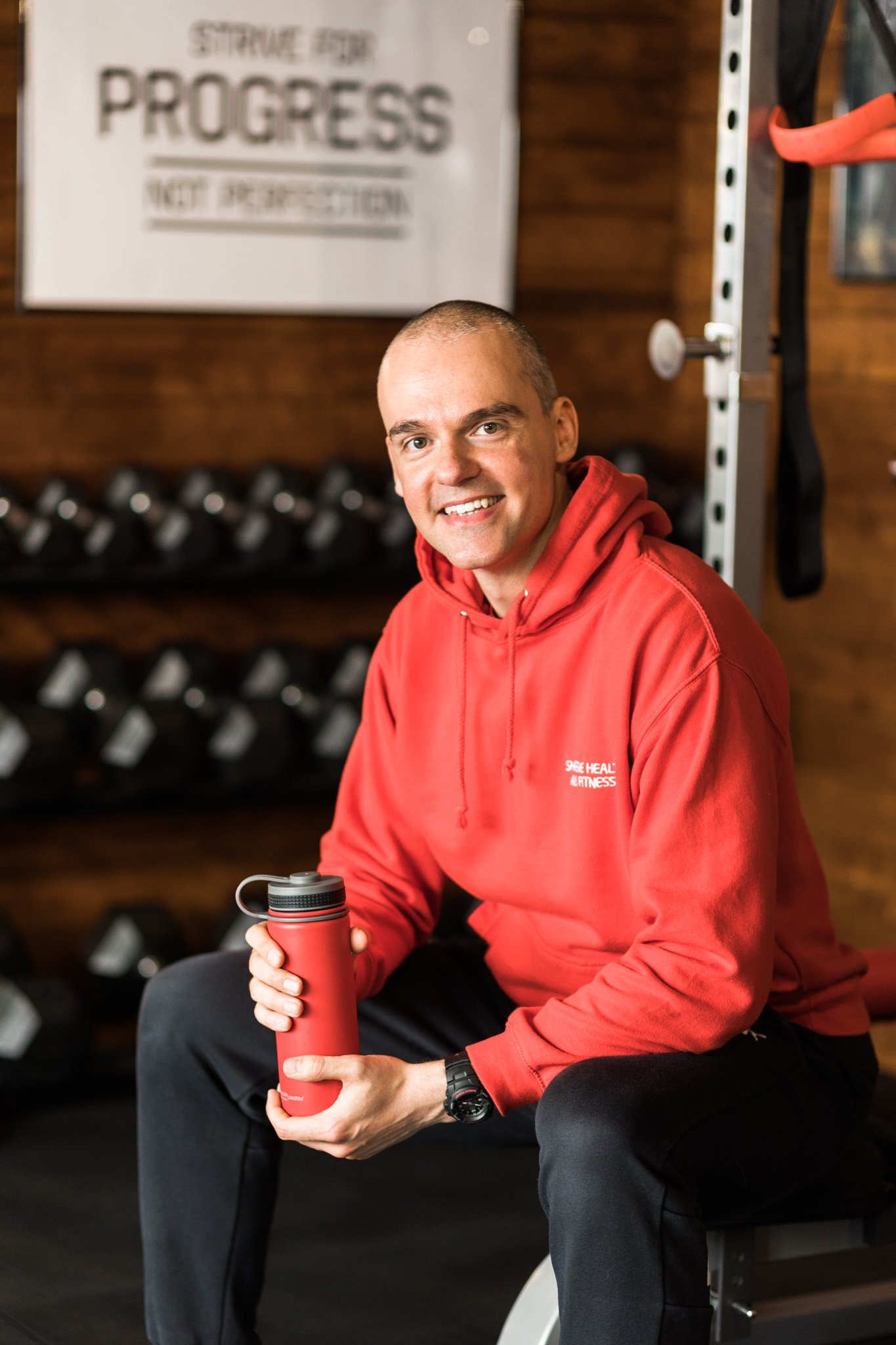
Steve Shreeve is a Virtual Fitness Coach with more than two decades experience in the fitness industry. People who work with Steve typically say that they have less joint pain and feel fitter than they have in decades.
Steve is one of the top 10% of UK Personal Trainers who holds a level 4 qualification, and holds additional certifications in Ante and Postnatal Fitness and Sports Specific Fitness.
Steve works with people nationally and internationally. If you’re interested in working with Steve, you can contact him here.
